The Timeless Health Benefits of Olive Trees and Their Role in Sustainable Living
Olive trees have been celebrated through generations as symbols of health, peace, and prosperity. Known for their rich, nutritious fruit and oil, these trees offer remarkable health benefits backed by both tradition and science. Have you ever wondered how something so simple could have such profound effects on our health and the environment? In this blog post, we will uncover the myriad benefits of olive trees, their place in traditional medicine, and their significance in our diets today. Additionally, we will explore their positive impact on the environment, supported by compelling examples and statistics.
A Rich History of Olive Trees
The olive tree (Olea europaea) has been cultivated for over 6,000 years. It is believed to have originated from the Mediterranean region. Ancient cultures, such as the Greeks and Romans, revered the olive tree for its health benefits. For example, in mythology, the olive tree was gifted to Athens, symbolizing wisdom.
In Rome, olive oil served multiple purposes—it was used for culinary delights, skincare, and healing various ailments. The Egyptians, recognizing its preservative qualities, even used olive oil in mummification. Such a deep-rooted legacy speaks volumes about the olive tree's importance to human civilization.
The Health Benefits of Olive Trees
Heart Health
Olive oil is renowned for its heart health benefits. Rich in monounsaturated fats, especially oleic acid, olive oil can lower bad cholesterol (LDL) while boosting good cholesterol (HDL). A significant study published in the New England Journal of Medicine demonstrated that a Mediterranean diet, abundant in olive oil, reduced the risk of cardiovascular disease by approximately 30%. Antioxidants like polyphenols in olive oil also help combat inflammation and oxidative stress, which benefit our hearts.
Anti-Inflammatory Properties
Chronic inflammation can lead to health issues like diabetes, arthritis, and cancer. Olive oil contains oleocanthal, a compound with anti-inflammatory effects comparable to ibuprofen. Research has shown that people who consume olive oil regularly have lower markers of inflammation in their bodies. In fact, a study found that those who included olive oil in their diet were 40% less likely to develop inflammatory diseases.
Antioxidant Powerhouse
Packed with antioxidants, olive oil helps shield our bodies from free radicals. These harmful molecules can speed up aging and contribute to diseases. High levels of vitamin E and polyphenols in olive oil are effective against oxidative stress. Adding just two tablespoons of olive oil daily can significantly enhance your antioxidant intake, making it a delicious way to support your overall well-being.
Weight Management
The misconception that fats lead to weight gain is widespread. However, healthy fats like those found in olive oil can actually aid weight management. Studies indicate that following a Mediterranean diet, rich in olive oil, is linked to lower obesity rates—around 10% lower than in those who do not follow such a diet. The satisfying nature of these healthy fats can curb cravings, helping maintain a balanced diet.
Incorporating Olive Oil and Olives into Your Diet
Cooking with Olive Oil
Olive oil is incredibly versatile and essential in many meals. Here are practical suggestions for using olive oil in your cooking:
Dressings and Marinades: Make a simple dressing with olive oil, vinegar, and fresh herbs to elevate your salads.
Sautéing and Roasting: Olive oil works well for sautéing vegetables or drizzling on roasted dishes, enhancing flavors in a healthy way.
Enjoying Olives as a Snack
Olives are not only tasty but nutritious. Try these simple ways to enjoy them:
Snack on Them: Keep a jar of olives handy for a quick snack. They are low in calories and high in healthy fats.
Add to Salads: Toss olives in salads to add flavor. They pair excellently with tomatoes and feta cheese.
The Environmental Impact of Olive Cultivation
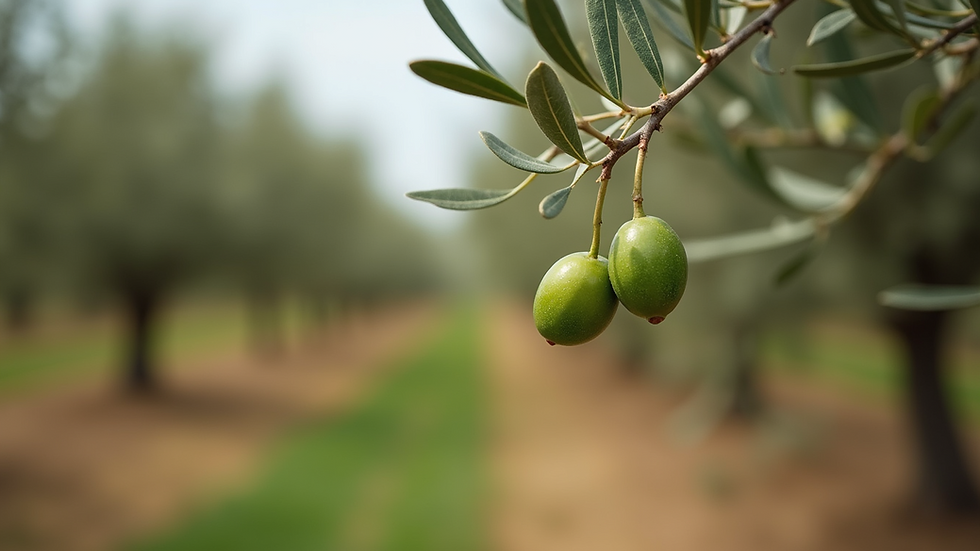
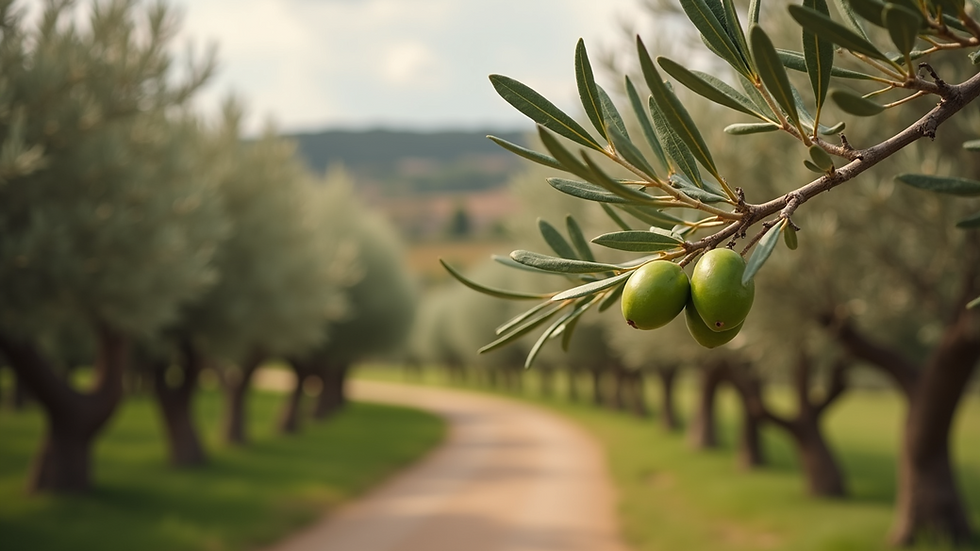
Olive trees offer significant benefits for the environment, as they are drought-resistant and can grow well in less-than-perfect soil. This makes them a sustainable crop choice.
Sustainable Practices
To promote long-term sustainability in olive farming, consider adopting these practices:
Organic Farming: Buying organic olive oil helps reduce the use of synthetic pesticides, promoting a healthier environment.
Water Conservation: Implementing drip irrigation can significantly reduce water usage while ensuring olive trees receive adequate hydration.
Personal Stories: The Transformative Power of Olive Oil
Real-life experiences highlight the benefits of olive oil. For instance, Maria, a 65-year-old Italian woman, noticed her cholesterol levels drop and her energy soar after she added olive oil to her meals. She credits her vibrant health to this simple change.
Similarly, John, a fitness enthusiast, found that including olive oil in his post-workout meals reduced inflammation and sped up recovery time. Now, he considers olive oil a crucial part of his diet, promoting both health and performance.
Celebrating the Legacy of Olive Trees
With their health benefits and sustainable impact, olive trees hold a special place in our diets and the environment. From enhancing heart health to offering anti-inflammatory properties, olives and their oil are invaluable additions to daily meals.
By embracing these ancient foods and practices, we not only improve our health but also contribute to sustainable farming. As we learn from the past, let’s cherish the olive tree's legacy and strive for a healthier, more sustainable future.


Comments