Sustainable Olive Tree Planting in Albania: Join Us
Albania is a land of stunning landscapes, rich culture, and a deep connection to nature. One of the most beautiful aspects of this country is its olive trees. These trees are not just a source of delicious oil; they are a symbol of sustainability and resilience. In this blog post, we will explore the importance of sustainable olive tree planting in Albania and how you can be a part of this exciting journey.
Olive trees have been cultivated in Albania for centuries. They thrive in the Mediterranean climate, which provides the perfect conditions for growth. However, with modern challenges such as climate change and deforestation, it is crucial to adopt sustainable practices in olive farming. This is where you come in.
By participating in sustainable olive tree planting, you can help preserve the environment, support local communities, and contribute to a healthier planet. Let’s dive into the benefits of this initiative and how you can get involved.
The Importance of Olive Trees
Olive trees are more than just a crop. They play a vital role in the ecosystem. Here are some key benefits of olive trees:
Biodiversity: Olive groves provide habitats for various species, promoting biodiversity in the region.
Soil Health: The roots of olive trees help prevent soil erosion and improve soil quality.
Carbon Sequestration: Olive trees absorb carbon dioxide, helping to combat climate change.
Economic Benefits: Olive farming supports local economies by providing jobs and income for families.
These benefits highlight why it is essential to focus on sustainable practices in olive tree planting.
Sustainable Practices in Olive Farming
Sustainable olive farming involves methods that protect the environment while ensuring the health of the trees and the quality of the olives. Here are some practices that can make a difference:
Organic Farming: Avoiding synthetic pesticides and fertilizers helps maintain soil health and protects local wildlife.
Water Conservation: Implementing drip irrigation systems can reduce water usage and ensure that trees receive the right amount of moisture.
Crop Rotation: Rotating crops can improve soil fertility and reduce pest problems.
Agroforestry: Combining olive trees with other crops or trees can enhance biodiversity and create a more resilient ecosystem.
By adopting these practices, farmers can produce high-quality olives while protecting the environment.
How You Can Get Involved
Now that you understand the importance of sustainable olive tree planting, you might be wondering how you can contribute. Here are some ways to get involved:
Volunteer: Join local organizations that focus on olive tree planting. Your hands-on help can make a significant impact.
Donate: Financial contributions can support initiatives that promote sustainable farming practices.
Spread the Word: Share information about sustainable olive farming with your friends and family. Raising awareness is crucial for building a community around this cause.
Visit Olive Farms: If you have the opportunity, visit local olive farms. This experience can deepen your understanding of the challenges and rewards of olive farming.
Your involvement can help create a sustainable future for olive farming in Albania.
The Role of Local Communities
Local communities play a crucial role in the success of sustainable olive tree planting. Many families in Albania have been growing olives for generations. Their knowledge and experience are invaluable.
By supporting local farmers, you help preserve traditional farming methods. This not only benefits the environment but also strengthens the community. When farmers are empowered, they can invest in sustainable practices that benefit everyone.
Success Stories
There are many inspiring stories of successful sustainable olive farming in Albania. For example, a small village in the south has transformed its olive groves by adopting organic farming methods. The farmers noticed an increase in both the quality and quantity of their olives.
Another success story involves a cooperative that focuses on water conservation. By implementing drip irrigation, they reduced water usage by 30%. This not only saved resources but also improved the health of their trees.
These examples show that sustainable practices can lead to positive outcomes for both farmers and the environment.
Challenges Ahead
While the future of sustainable olive tree planting in Albania looks promising, there are challenges to overcome. Climate change poses a significant threat to olive farming. Rising temperatures and changing rainfall patterns can affect crop yields.
Additionally, many farmers may lack access to resources or knowledge about sustainable practices. Education and support are essential to help them transition to more sustainable methods.
By addressing these challenges, we can ensure a brighter future for olive farming in Albania.
The Global Impact of Local Actions
Sustainable olive tree planting in Albania is not just a local issue; it has global implications. By supporting sustainable practices, you contribute to a larger movement toward environmental conservation.
Every olive tree planted helps combat climate change and promotes biodiversity. Your actions can inspire others to take similar steps in their communities. Together, we can create a ripple effect that leads to a healthier planet.
Join the Movement
Are you ready to make a difference? Join us in the journey of sustainable olive tree planting in Albania. Whether you choose to volunteer, donate, or simply spread the word, your involvement matters.
Together, we can create a sustainable future for olive farming. Let’s work hand in hand with local communities to protect the environment and support the economy.
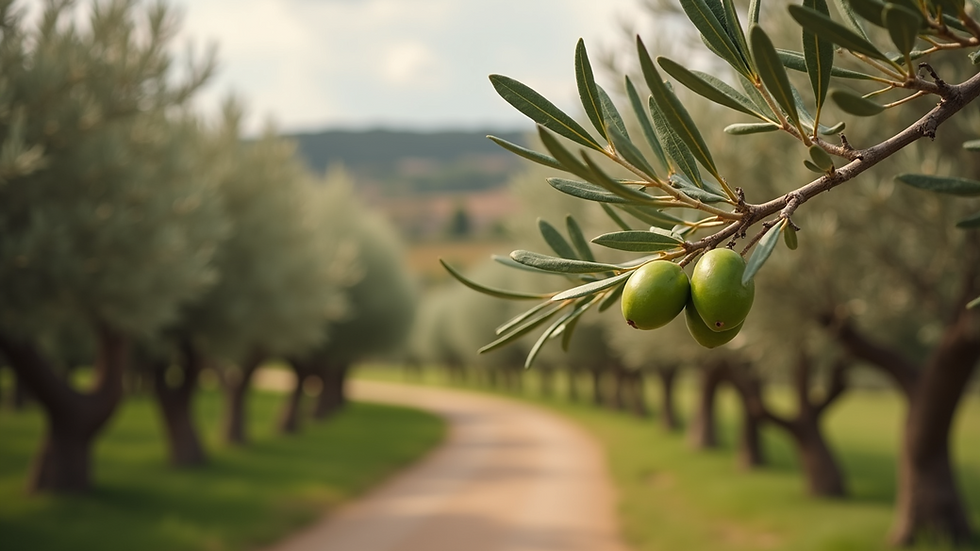
As we look to the future, let us remember the importance of our actions today. Sustainable olive tree planting is not just about growing trees; it is about nurturing the earth and supporting communities.
Join us in this vital mission. Together, we can cultivate a greener, more sustainable world for generations to come.
Let’s plant the seeds of change, one olive tree at a time.


Comments