Discover the Benefits of Olive Trees in Albania
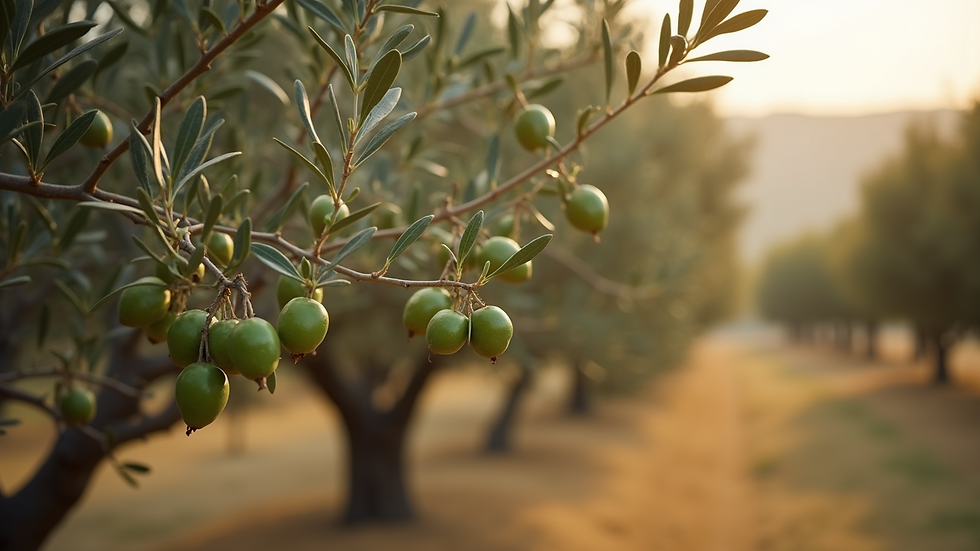
Olive trees are more than just a beautiful part of the landscape in Albania. They are a symbol of culture, history, and sustainability. These ancient trees have been cultivated for thousands of years, and their benefits extend far beyond the production of olive oil. In this blog post, we will explore the many advantages of olive trees in Albania, from their economic impact to their environmental benefits.
A Rich History
Olive trees have a long and storied history in Albania. They are believed to have been introduced to the region by the ancient Greeks. Today, Albania is home to over 70 million olive trees, making it one of the largest producers of olives in the Balkans.
The cultivation of olive trees is deeply rooted in Albanian culture. Many families have been growing olives for generations. This tradition not only preserves the heritage of the land but also strengthens community bonds.
Economic Benefits
The economic impact of olive trees in Albania cannot be overstated. The olive oil industry is a significant contributor to the country's economy. Here are some key points to consider:
Job Creation: The olive oil sector provides jobs for thousands of people. From farmers to processors, many individuals rely on this industry for their livelihoods.
Export Opportunities: Albanian olive oil is gaining recognition in international markets. This opens up new avenues for export, boosting the economy further.
Support for Local Farmers: By investing in olive tree cultivation, local farmers can improve their income. This helps to reduce poverty in rural areas.
Environmental Advantages
Olive trees are not just economically beneficial; they also play a crucial role in the environment. Here are some of the environmental benefits of olive trees:
Soil Conservation: Olive trees help prevent soil erosion. Their roots stabilize the soil, making it less susceptible to degradation.
Biodiversity: Olive groves provide habitats for various species. This promotes biodiversity and supports local ecosystems.
Carbon Sequestration: Olive trees absorb carbon dioxide from the atmosphere. This helps combat climate change and improves air quality.
Health Benefits of Olive Oil
Olive oil, derived from the fruit of olive trees, is known for its numerous health benefits. Here are some reasons why incorporating olive oil into your diet is a good idea:
Heart Health: Olive oil is rich in monounsaturated fats, which are beneficial for heart health. It can help lower bad cholesterol levels and reduce the risk of heart disease.
Antioxidants: Olive oil contains antioxidants that fight inflammation and protect against chronic diseases.
Weight Management: Including olive oil in your diet can help with weight management. It promotes a feeling of fullness, which can reduce overeating.
Cultural Significance
Olive trees hold a special place in Albanian culture. They are often associated with peace and prosperity. Here are some cultural aspects to consider:
Traditions and Festivals: Many regions in Albania celebrate olive harvest festivals. These events bring communities together and highlight the importance of olive cultivation.
Culinary Heritage: Olive oil is a staple in Albanian cuisine. It is used in various traditional dishes, showcasing the rich flavors of the region.
Symbol of Resilience: Olive trees are known for their longevity and ability to thrive in harsh conditions. This resilience is often mirrored in the spirit of the Albanian people.
Sustainable Practices
Sustainability is a key focus in the cultivation of olive trees in Albania. Many farmers are adopting eco-friendly practices to ensure the longevity of their groves. Here are some sustainable practices being implemented:
Organic Farming: More farmers are turning to organic methods, avoiding harmful pesticides and chemicals. This not only benefits the environment but also produces healthier olives.
Water Conservation: Efficient irrigation techniques are being used to conserve water. This is especially important in regions where water scarcity is a concern.
Agroforestry: Integrating olive trees with other crops can enhance biodiversity and improve soil health. This practice promotes a more sustainable agricultural system.
The Future of Olive Cultivation in Albania
The future of olive cultivation in Albania looks promising. With increasing global demand for high-quality olive oil, there are many opportunities for growth. Here are some trends to watch:
Investment in Technology: Farmers are beginning to adopt modern technology to improve efficiency. This includes using drones for monitoring and precision agriculture techniques.
Education and Training: Programs are being developed to educate farmers about best practices in olive cultivation. This knowledge transfer is essential for the industry's growth.
Market Expansion: As Albanian olive oil gains recognition, there is potential for expanding into new markets. This could lead to increased revenue for local farmers.
Conclusion: Embracing the Olive Tree Legacy
Olive trees are a vital part of Albania's identity. They offer economic, environmental, and cultural benefits that are hard to ignore. As we look to the future, it is essential to embrace sustainable practices and continue to support local farmers. By doing so, we can ensure that the legacy of olive trees in Albania thrives for generations to come.
In summary, the olive tree is not just a plant; it is a symbol of resilience, community, and sustainability. Whether you are enjoying a drizzle of olive oil on your salad or participating in a local harvest festival, you are part of a rich tradition that connects the past with the future.


Comments